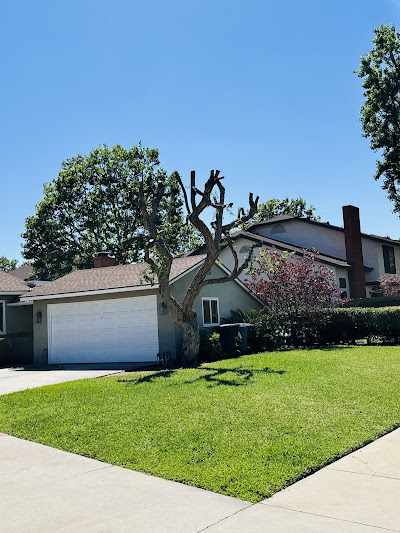
Verdemont sits on the northern edge of San Bernardino, where the foothills begin to rise toward the Cajon Pass. The landscape shifts quickly here. One street can feel calm and shaded, while another nearby faces open wind corridors and dry slopes.
Trees in this part of the Inland Empire deal with constant change. Hot summers, dry winters, sudden rain bursts, and strong seasonal winds all shape how trees grow and respond. Property owners often notice small shifts in tree health long before anything becomes serious.
Why Verdemont Trees React Strongly to Seasonal Change
The mix of desert edge climate and mountain airflow makes this area unique. In summer, long heat waves dry out soil fast. In winter and early spring, short periods of rain can oversaturate ground that was very dry just days before.
Strong wind events are also common. Santa Ana winds push through nearby canyons and the Cajon Pass, putting extra pressure on tall or exposed trees.
Common trees in Verdemont yards and nearby natural areas include:
Coast live oak
California sycamore
Eucalyptus
Aleppo pine
Juniper and cypress varieties
Backyard citrus trees (lemon, orange)
Each species reacts differently, but stress signs often look similar.
Leaves Start Changing Earlier Than Expected
One of the first signs of stress shows up in the canopy.
Homeowners may notice:
Leaves turning dull green or yellow early
Browning at the edges during heat waves
Uneven leaf drop in small sections
Sparse canopy compared to previous seasons
In Verdemont, this often happens during long dry stretches followed by sudden rain. Roots struggle to adjust quickly, especially in compact or rocky soil.
Branches Begin Drying or Falling
Seasonal stress often shows in smaller branches first.
Twigs may become brittle or break easily during light wind. Some branches stop producing leaves entirely while others remain healthy.
This is common in eucalyptus and pine trees after extended heat exposure. The upper canopy is usually the first place to show change.
A noticeable increase in yard debris after mild wind can be an early signal.
Signs of Heat and Drought Stress
Hot inland summers place constant pressure on trees in Verdemont.
During dry periods, property owners may observe:
Curling leaves that stay green but look tight
Wilting during afternoon heat
Slower or uneven growth
Soil pulling away slightly from the trunk base
Coast live oaks are resilient, but even they show stress during extended drought cycles. Younger trees often react faster than mature ones.
Wind Stress From Canyon Flows
Seasonal wind is a major factor in this area due to nearby elevation changes.
After wind events, trees may show:
Leaning that was not visible before
Fresh cracks near branch joints
Broken limbs lodged in the canopy
Bark scrapes on the wind-facing side
Eucalyptus trees and tall pines are especially exposed in open yards or ridge-facing properties. Even if damage is not immediate, internal strain can develop over time.
Fungal Growth After Sudden Rain
When dry soil gets hit with fast rain, fungal activity often increases.
Homeowners may notice mushrooms or shelf-like growth near tree bases, especially in shaded areas.
Common concerns include:
Armillaria (oak root fungus) in older trees
Decay fungi in eucalyptus roots
Soft wood near the trunk base
Not every mushroom is a danger sign, but repeated growth in the same area often suggests deeper moisture or decay issues.
Bark Changes and Surface Damage
Seasonal stress can also show through bark texture.
Look for:
Cracking bark during heat waves
Peeling sections on eucalyptus trunks
Dark or softened patches near the base
Sap flow on pines or stone fruit trees
These changes often appear after a mix of heat and wind cycles. Once bark is affected, trees can become more vulnerable to insects and disease.
Pest Activity Increases During Stress Periods
Weakened trees are more likely to attract pests common in Southern California, such as:
Bark beetles in pines
Aphids on ornamental and fruit trees
Shot hole borers in stressed hardwoods
Citrus leaf miners in backyard orchards
Pests often appear after environmental stress, not before it. That timing helps property owners connect cause and effect.
Root Movement After Seasonal Shifts
Roots in Verdemont often sit in rocky or compact soil, which does not always absorb water evenly.
After heavy rain following a dry spell, signs of root stress may appear:
Slight leaning after storms
Raised soil near the base
Exposed surface roots
Reduced canopy density over time
These changes often develop slowly and may go unnoticed until the next season.
How Seasonal Patterns Shape Tree Health
Each season in Verdemont adds a different kind of pressure:
Spring: sudden growth after rain, soil shifts
Summer: heat stress and water loss
Fall: wind exposure and drying soil
Winter: short rain bursts and root saturation
Trees that handle one season well may still struggle when conditions shift quickly.
What Homeowners Often Notice First
Before any major issue develops, most property owners in Verdemont report small, repeating changes:
A tree that “doesn’t look as full” as last year
More small branches falling in the yard
Leaves behaving differently on one side of the canopy
Subtle leaning after wind events
These signs are usually early signals rather than immediate failures.
Closing Perspective
Trees in Verdemont live under constant environmental pressure shaped by heat, wind, and fast-changing moisture conditions. Most stress signs appear slowly and blend into normal seasonal changes, which is why regular observation matters.
Noticing leaf shifts, branch changes, bark texture, and soil movement can help homeowners understand what their trees are experiencing throughout the year. In a landscape shaped by the Inland Empire climate, small details often reveal the bigger picture.
To better understand seasonal tree behavior in Verdemont, CA, learn more or find out more through additional local resources.
Contact Us
Timber Pros Tree Service
7405 Cherimoya Ct, Fontana, CA 92336, United States
909-587-3953

Write a comment ...